Side effect warning: FDA orders new eye-risk labels for Ozempic, Wegovy and other GLP-1 drugs
The US Food and Drug Administration has ordered new warnings on GLP-1 drugs, including Ozempic and Wegovy, about a rare eye condition that can cause permanent vision loss.

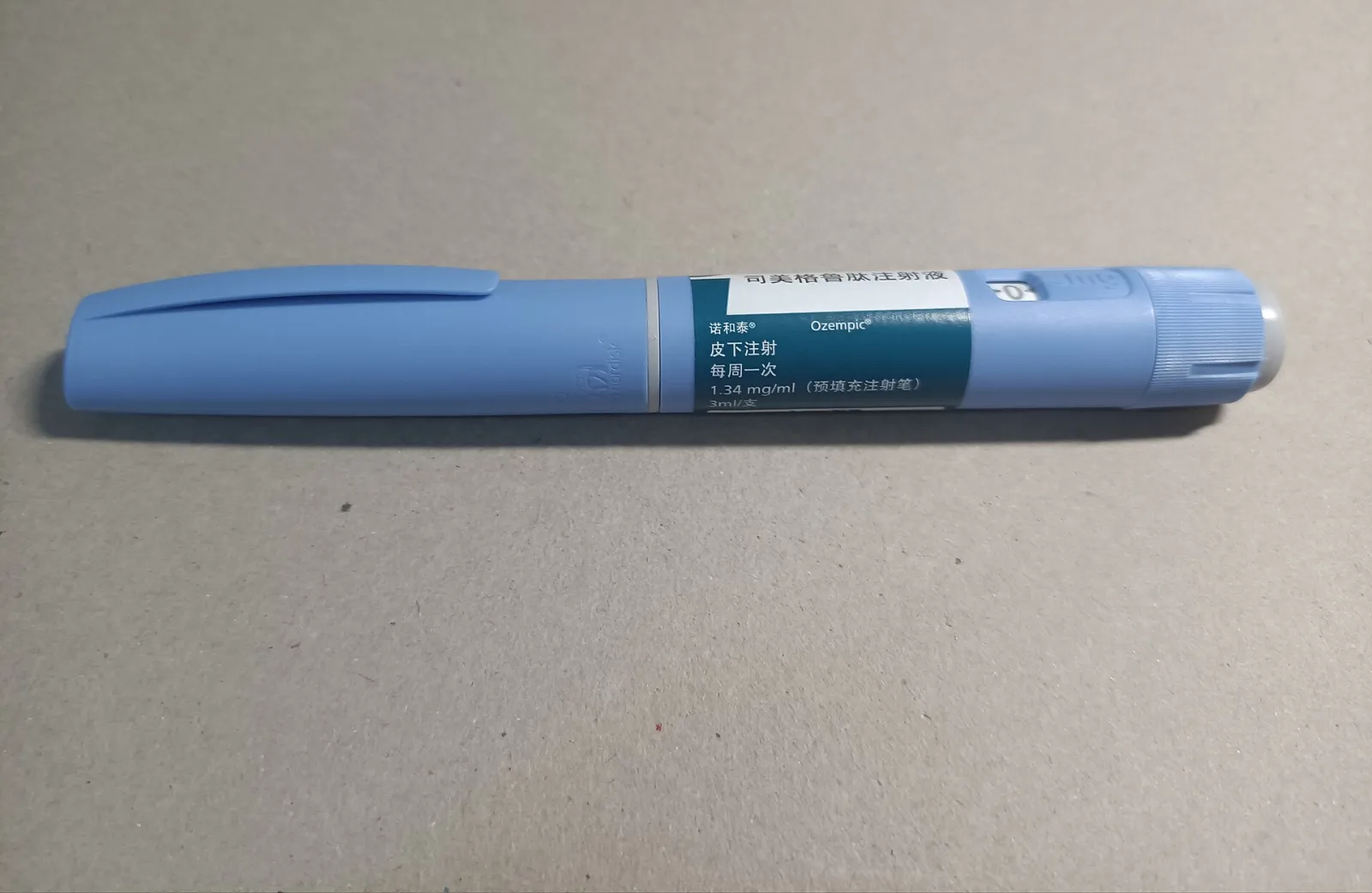
The US Food and Drug Administration (FDA) has told patients and healthcare providers that GLP-1 weight-loss and diabetes drugs carry a potential increased risk of a rare eye condition that can cause permanent vision loss. The agency is requiring manufacturers to add the risk to the warnings sections of product labels, covering medicines such as Ozempic, Wegovy, Mounjaro and Zepbound. The announcement was made on Monday.
What the side effect is
The condition is non-arteritic anterior ischemic optic neuropathy, or NAION. It is a common cause of sudden, painless vision loss, and in some cases the damage is permanent. It occurs when blood flow to the front of the optic nerve falls, but the FDA says the underlying cause is not fully understood.
Symptoms include blurred vision, distorted colours, blind spots and other visual disturbances. The FDA advised patients who notice such problems to contact a healthcare professional immediately. Doctors say the condition is most common in adults over 50, and there is no proven treatment to reverse the damage.
What the FDA review found
FDA scientists began looking into the issue in 2024, after a medical paper linked the condition to some patients taking semaglutide, the active ingredient in Ozempic and Wegovy. The agency said its analysis of more than 125 clinical trials found about six cases per 100,000 patients taking a GLP-1 drug over one year. The rate was below four per 100,000 among patients on placebo or other glucose-lowering medicines.
The FDA said patients on GLP-1 drugs had a roughly 68% higher rate of the condition. It also stressed that its findings do not establish a causal link. Diabetes, high blood pressure and sleep apnoea, all common among people prescribed these drugs, are also risk factors, which makes it hard to isolate the effect of the medicines.
Company responses and expert views
Novo Nordisk, the maker of Ozempic and Wegovy, said its data do not establish a cause-and-effect relationship and that it remains confident in the benefit-risk profile of its medicines. Eli Lilly said it is carefully evaluating the update and will respond to the FDA promptly, adding that the communication does not refer to any findings specific to its products.
Neuro-ophthalmologist Dr. Joseph Rizzo, who co-authored the 2024 paper, told CBS News that he believes the evidence shows GLP-1 use increases the risk, but he does not discourage patients from taking the drugs. A separate large study published in 2025 found that the risk more than doubled after two years of treatment with a GLP-1 drug compared with other diabetes medicines, according to CNN. Earlier, Europe's medicines regulator said the condition may affect up to 1 in 10,000 people taking semaglutide for at least a year.
What happens next
The label changes apply across the class of GLP-1 drugs, and the FDA has not announced any change to who can take them. Doctors are expected to weigh the eye risk against the drugs' benefits for weight, blood sugar, heart, kidney and sleep apnoea outcomes. Patients on these medicines who notice blurred vision, blind spots or sudden changes in sight are advised to seek medical care without delay.