Bangkok floods recede slowly as homes and transport remain disrupted
Floodwater eased in parts of Bangkok on 28 September, but roads and neighborhoods remained inundated. City and nationwide impact figures measure different areas and periods.

Key points: Water began to recede in parts of Bangkok, but many homes and roads remained affected. A city estimate of households and a separate national figure cover different places and reporting periods. Damage estimates are preliminary.
Flooding continued to disrupt daily life in Bangkok on Monday, 28 September, even as water levels fell in some areas after days of intense rain. The Associated Press reported a Bangkok Flood Control Center estimate of about 329,000 affected households, representing roughly 700,000 people, with nearly 7,000 people in shelters. Roads and neighborhoods remained inundated while residents and officials worked to clear water.
Why the numbers differ
Reuters cited Thailand's interior ministry for a separate nationwide figure of more than 580,000 homes affected across 41 provinces since 16 September. The national count covers a broader geography and a longer period than the Bangkok estimate. These figures should not be added together as if they described separate groups of people on the same date. They measure different things: households or homes, people and shelter occupancy.
Travel and work were affected as well. Reuters reported disruptions to baggage handling at Bangkok's main airport because employees had difficulty reaching work. That example illustrates how flood damage and transport failures can affect services well beyond the streets directly under water.
Recovery and the next rainfall
An economist quoted by Reuters gave a preliminary estimate of at least 11 billion baht in damage nationally. That is an estimate, not a completed government assessment of loss. The final bill will depend on the duration of flooding and the condition of homes, roads and businesses after water drains. Shelter needs and safe access to essentials remain urgent for displaced residents.
Authorities will need to monitor drainage and any further heavy rain. Falling water in one district does not establish that the wider flood emergency is over. Travelers should check current local and airline advisories because transport conditions can change quickly.
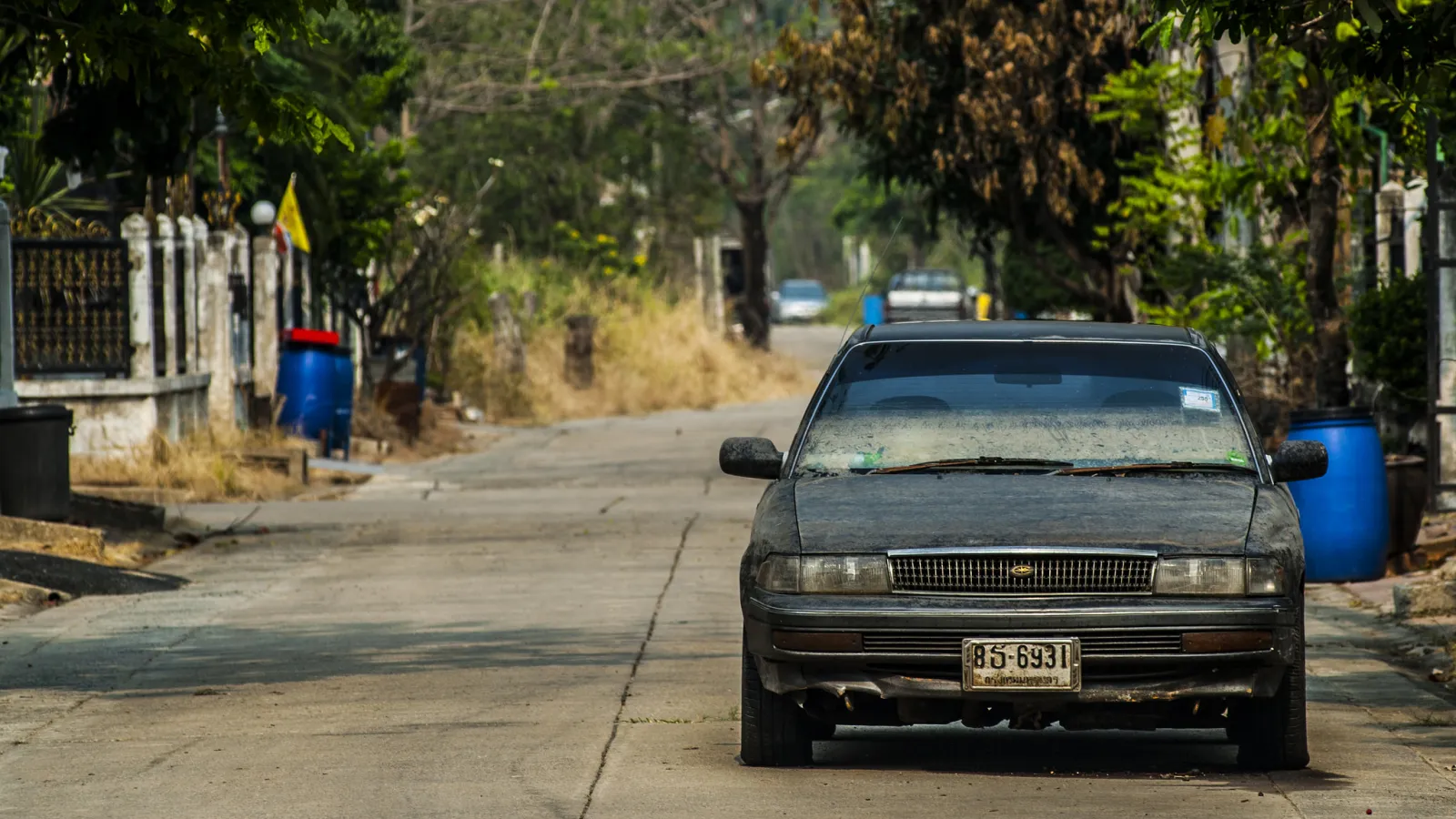
Analysis — what to watch: Updated official counts, rainfall forecasts, shelter capacity and reopening of roads and airport services will show the pace of recovery. The accompanying photograph is explicitly archival, from Bangkok's 2011 floods; it does not depict this week's event. Research cutoff: 29 September 2026, 01:00 IST.
Sources
- Associated Press, 28 September 2026: https://www.washingtonpost.com/world/2026/09/28/thailand-rain-floods-bangkok-airport/d9ef8b92-bb23-11f1-81fc-9b76f8343b6c_story.html
- Reuters, 28 September 2026: https://www.reuters.com/business/environment/thousands-huddle-bangkok-shelters-thai-flood-damages-seen-320-mln-2026-09-28/
- Photo: M.rJirapat, Bangkok flood aftermath 2011, CC BY-SA 4.0: https://commons.wikimedia.org/wiki/File:Car_wrecks_after_the_flood_in_Bangkok_2011.jpg