Jonathan Rinderknecht convicted of starting deadly 2025 Palisades Fire
A federal jury in Los Angeles has convicted Jonathan Rinderknecht, 30, of arson over the Lachman Fire, which prosecutors say reignited as the deadly Palisades Fire in January 2025.

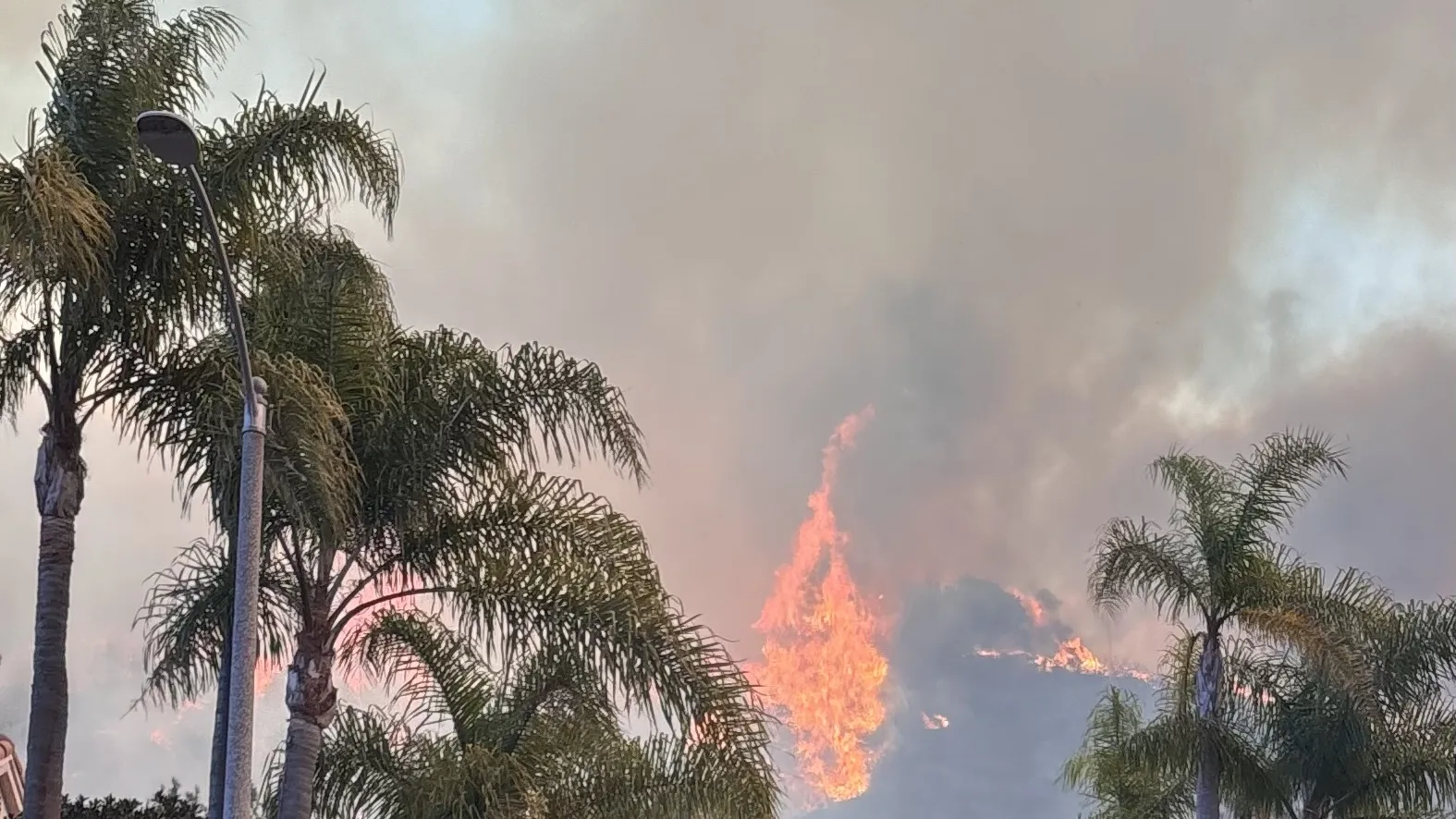
A federal jury in Los Angeles on Friday convicted Jonathan Rinderknecht, 30, on both federal counts against him in connection with the deadly Palisades Fire of January 2025. Prosecutors said he started a smaller blaze, the Lachman Fire, on January 1, 2025, and that it smoldered underground before flaring into the Palisades Fire on January 7. The fire killed 12 people and destroyed thousands of structures in Los Angeles and Malibu.
A retrial after a deadlocked jury
Rinderknecht's first federal trial ended in a mistrial in June, after jurors deadlocked 10 to 2 in favor of acquittal. Prosecutors chose to retry the case, and the new trial began with jury selection on November 2. The jury deliberated for just over two days before reaching its verdict.
For the retrial, prosecutors obtained a revised indictment. One charge was narrowed to cover only the Lachman Fire, while the second charge still holds him responsible for both the Lachman and Palisades fires. The dropped charge concerned timber set afire. Rinderknecht has been in custody since his arrest in October 2025, and U.S. District Judge Anne Hwang scheduled sentencing for March 17.
Evidence and the defense case
Prosecutors presented digital forensic data, expert testimony and evidence about Rinderknecht's movements that night. This included photographs of his car parked at the base of a trail near the fire's origin, cellphone tower data, and fire detection camera images. Prosecutors also cited a green BIC lighter, which Assistant U.S. Attorney Mark Williams said had DNA matching Rinderknecht. Prosecutors said his 911 calls and a question he asked ChatGPT about cigarettes and fault were part of an attempt to build an alibi.
The defense, led by attorney Steve Haney, argued that no one saw the fire being started and that no camera captured its ignition. Haney said the scene was open to the public for several days and that fireworks could have been the cause. Several witnesses reported hearing a loud bang from the hill, though prosecutors said no fireworks appeared in thousands of images from the evening. Haney said the timeline of charging and lab testing was "backwards," noting that lab tests on whether a lighter could have ignited the fire came about 11 months after the investigation concluded.
A juror who spoke to reporters after the verdict said Rinderknecht's own statements about the night were among the most important factors. He said the evidence pointed toward one conclusion, given that no one else was known to be on the hill.
Reactions and what comes next
Haney said the defense plans to appeal the verdict. Rinderknecht reacted with surprise when the verdict was read, and he hugged his defense team afterward, according to the Los Angeles Times. His father and a brother were in the courtroom.
The case has also drawn attention to the Los Angeles Fire Department's response. Jurors were told not to consider the department's firefighting efforts, which are the subject of a separate civil lawsuit. The Palisades Fire burned 23,448 acres and destroyed 6,837 homes, businesses and other structures, according to the Los Angeles Fire Department.
What we know so far: Rinderknecht is convicted on both federal counts and faces sentencing on March 17. His defense says it will appeal, and the outcome of that process remains to be seen.