SpaceX Starship Rocket Launch Ends With Upper Stage Caught by Launch Tower Arms
SpaceX's Starship completed its 15th test flight, with the upper stage returning from orbit and being caught by arms on a launch tower in South Texas. The booster did not land as planned.

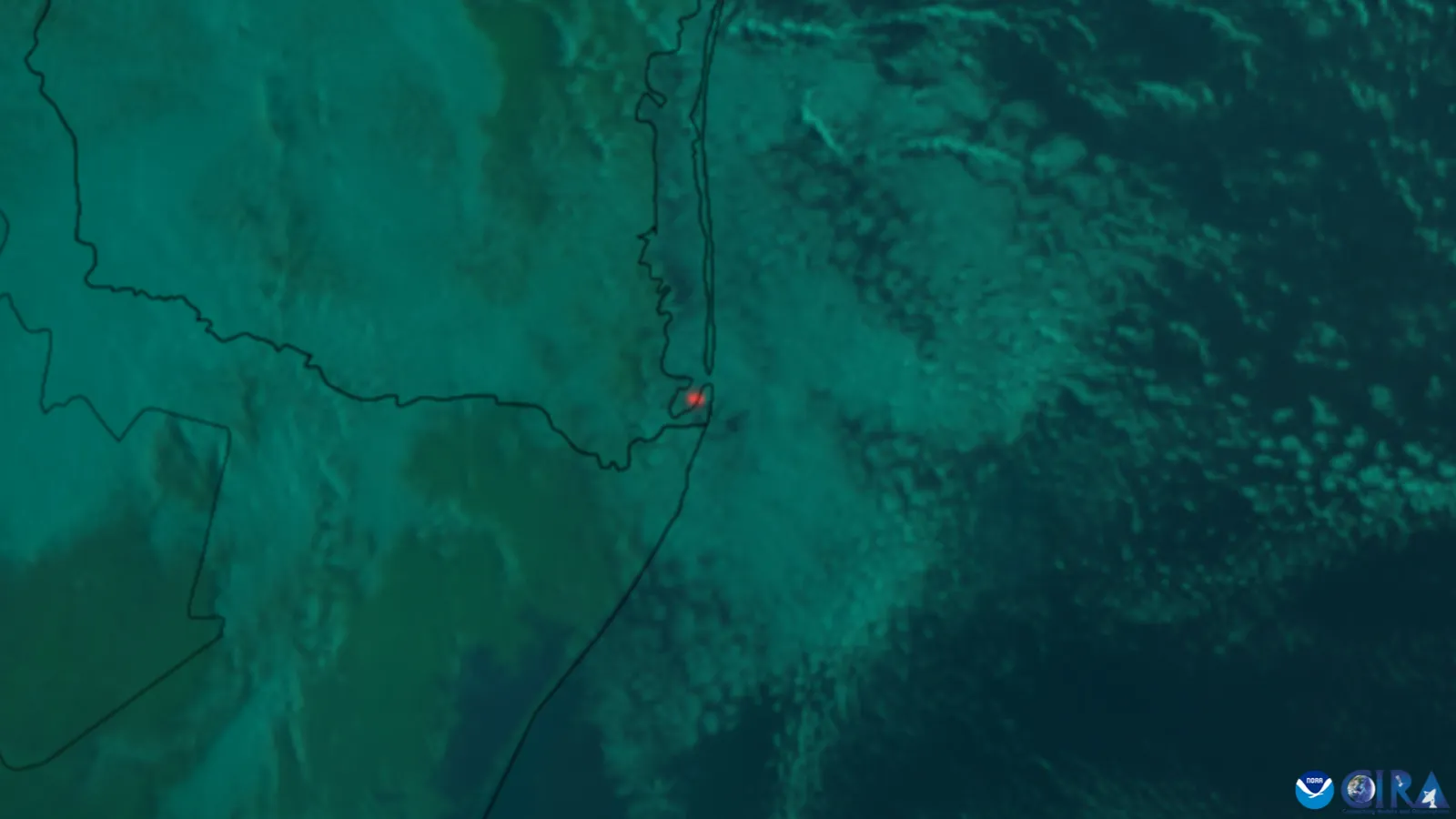
SpaceX's Starship rocket launch on Friday ended with the upper stage returning from orbit and being caught by mechanical arms on a launch tower in South Texas, a first for the company and for rocketry. The mission, Test Flight 15, was launched at 5:47 p.m. ET and lasted about 22 hours. The booster that flew first stage did not complete its planned return.
Booster lost, upper stage recovered
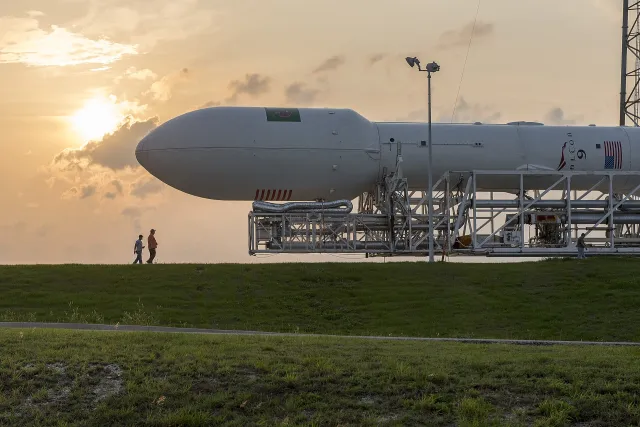
The Starship upper stage, a 171-foot spacecraft, was guided back to the company's Mechazilla tower at its facility in Starbase, Texas. CNN described the landing as an unprecedented maneuver, noting that such a feat had never been attempted in the history of rocketry. CNBC reported that the catch was made using the tower's "chopsticks," mechanical arms attached to the structure.
A few minutes after liftoff, SpaceX tried to guide the Super Heavy booster back to a pinpoint landing at the same tower. That attempt was unsuccessful. CNBC reported that the booster was diverted to a splashdown in the Gulf of Mexico, where it exploded before reaching the water. SpaceX had skipped a booster landing attempt in the previous flight because the vehicle was short on fuel, according to the company.
Orbit, Starlink deployment and reentry
The upper stage reached Earth orbit, where it deployed satellites and circled the planet 14 times. According to CNBC, 26 of SpaceX's newest Starlink v3 satellites were released into orbit during the flight. The company's Starlink constellation already included more than 11,000 satellites in low Earth orbit, CNBC reported.
Mission teams have begun gathering data from the ship. Analysts will examine how the heat shield held up against temperatures above 2,000 degrees Fahrenheit during reentry, and engineers will inspect hardware from engines to the nose cone. Recovering the vehicle intact is significant because it allows engineers to study the hardware directly and assess how quickly a Starship could be turned around for another flight.
Reactions and the Starbase, Louisiana plan
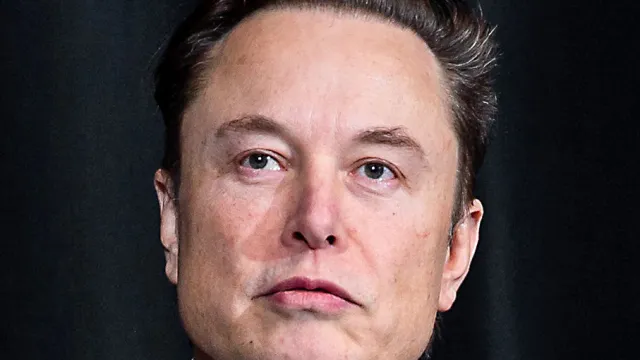
SpaceX CEO Elon Musk congratulated the engineers on social media, and Gwynne Shotwell, the company's president and chief operating officer, described Starship as "alien-level technology." Biographer Walter Isaacson also commented on the achievement. Brendan Carr, chair of the Federal Communications Commission, congratulated the company and shared images of the tower from Starbase.
The flight also drew attention to SpaceX's plans in Louisiana. According to an economic development website, the company intends to build a spaceport near the southern coast of Vermilion Parish, with construction expected to begin by the end of next year and a first launch targeted as soon as 2029. The project has been described as a roughly $100 billion facility. A lawsuit alleges that local authorities violated transparency laws by approving the project in closed-door meetings before the governor publicly announced it. The Louisiana Wildlife Federation has also raised concerns about the pace of the approval process.
What comes next
SpaceX still needs to show it can land the Super Heavy booster consistently, having done so three times before. The company has said it intends to reliably reuse Starship vehicles before the Artemis IV mission, currently slated for 2028 to return astronauts to the Moon. A Starship test article is planned for launch next year to dock with a NASA spacecraft as practice for a lunar landing. For now, the upper stage's successful catch and 22 hours in orbit give the company a major milestone to build on.
The Hawaii Department of Transportation briefly paused some West Coast flights on Friday because of debris risk from the flight, and the FAA issued a nationwide ground stop due to telecommunications system failures. CNBC reported that both orders have since been lifted.
Note: The booster's splashdown and the cause of the ground stop are reported, but no further official details on the cause of the booster explosion were available at the time of writing.