SpaceX launch from California puts another classified Space Force mission in orbit
A SpaceX Falcon 9 lifted off from Vandenberg on a classified U.S. Space Force mission, the latest in a series of secretive launches with no official payload details.

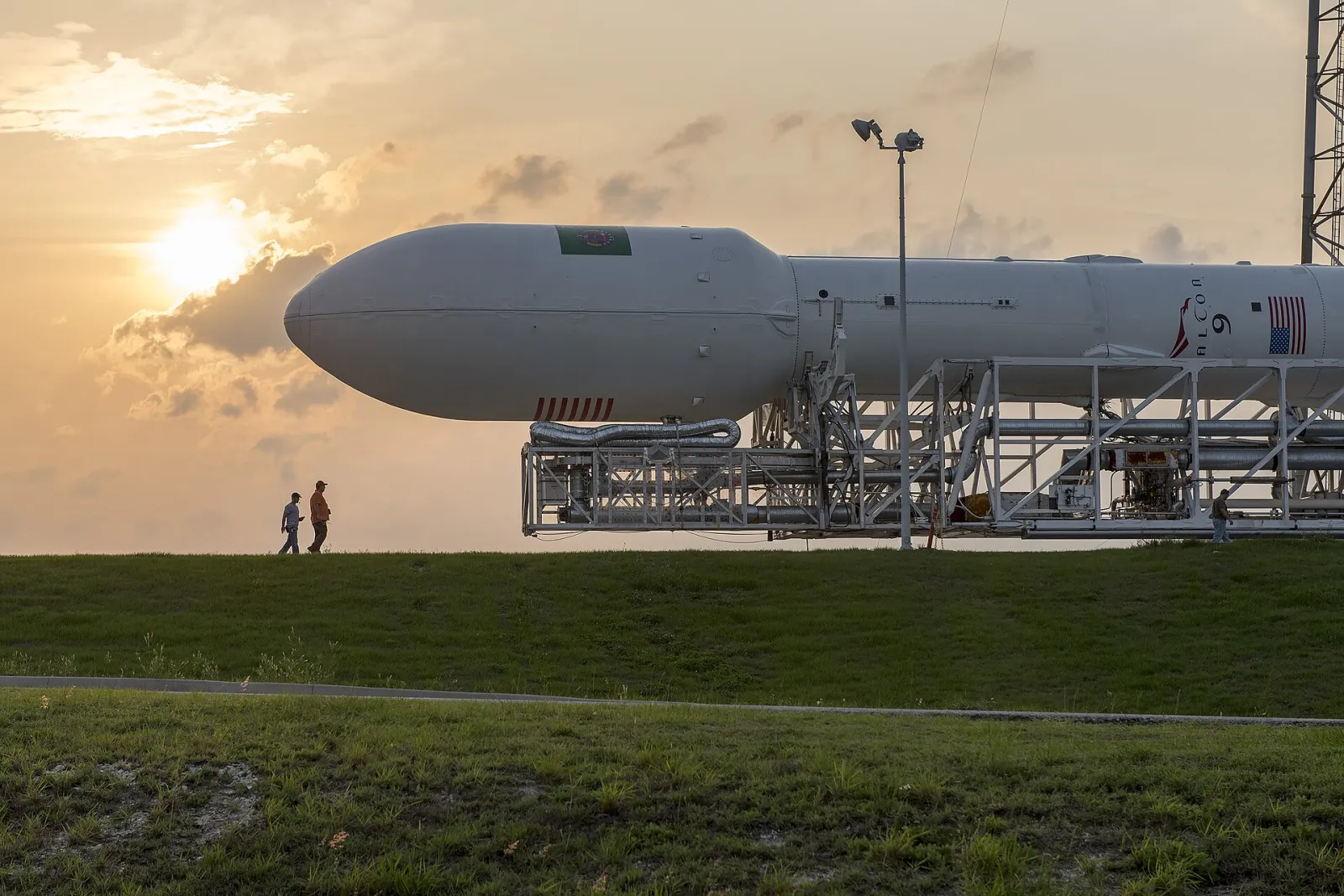
A SpaceX Falcon 9 rocket launched from Vandenberg Space Force Base in California on Friday afternoon, carrying another batch of satellites for a classified U.S. Space Force program. Liftoff from pad 4E occurred at 4:48 p.m. PST (0048 UTC on Saturday), according to Spaceflight Now. The mission is designated USSF-432 and is also identified as R-4 in public documents.
A series of secretive missions
The flight was originally scheduled for November 1 but was delayed several times. Initial postponements were tied to the Starlink 15-18 launch, while later delays were not disclosed. The rocket headed south-east after leaving the central California coast.
The R-series began on August 16 with USSF-366. It continued with USSF-153 (R-2) on September 10 and USSF-385 (R-3) on September 26. Orbital catalog entries show that each R launch has placed 23 satellites into orbit.
SpaceX's Falcon 9 launch on October 15 from the same Vandenberg pad also carried a classified Space Force payload, according to SpaceNews. The company ended its livestream at stage separation, as it typically does, and neither the payload nor the number of satellites was described. SpaceNews reported that no program was named for that flight.
What is known about the satellites
The satellites are believed to be based on SpaceX's Starshield platform, a government version of the Starlink satellite. Jonathan McDowell, an independent tracker of space launches, has said the R satellites are part of the Space Force's Space Based Sensing and Targeting program. That attribution has not been confirmed by the Space Force.
The Space Force has declined to provide information about these missions. Neither SpaceX nor the Space Force has confirmed a successful satellite deployment on the earlier R-series flights.
The Falcon 9 first-stage booster, B1095, was on its eighth flight. It landed on the droneship "Of Course I Still Love You," stationed in the Pacific Ocean off the coast of Baja California, Mexico. Its earlier flights departed from the East Coast, at Cape Canaveral Space Force Station and Kennedy Space Center. The booster moved to the West Coast for a cross-country transfer after flying the GPS 3-8 mission in April.
Shift toward Vandenberg
Most recent Falcon 9 launches have taken place from Vandenberg, according to Spaceflight Now. The report said SpaceX is focusing much of its attention on the first Starship launch from Florida.
What we know so far
The USSF-432 launch lifted off on schedule after several delays, and its booster returned to a droneship as planned. The purpose of the satellites and the program they serve remain undisclosed by the government, and no official statement on the mission's outcome has been issued. Further launches in the R-series are expected to follow the same pattern of limited public information.
Trending search interest in the SpaceX launch reflects public curiosity about a mission that has been widely reported but little explained.
Editor's note: the USSF-266 mission page was listed as a source but contained no usable summary, so it has not been used for facts in this article.