Act Divides House Over Veterans Benefits and Richard Star Act Funding
The House passed two competing veterans bills on Veterans Day week, one fully funding a retirement pay change and another financed by benefit cuts. Both face steep obstacles in the Senate.

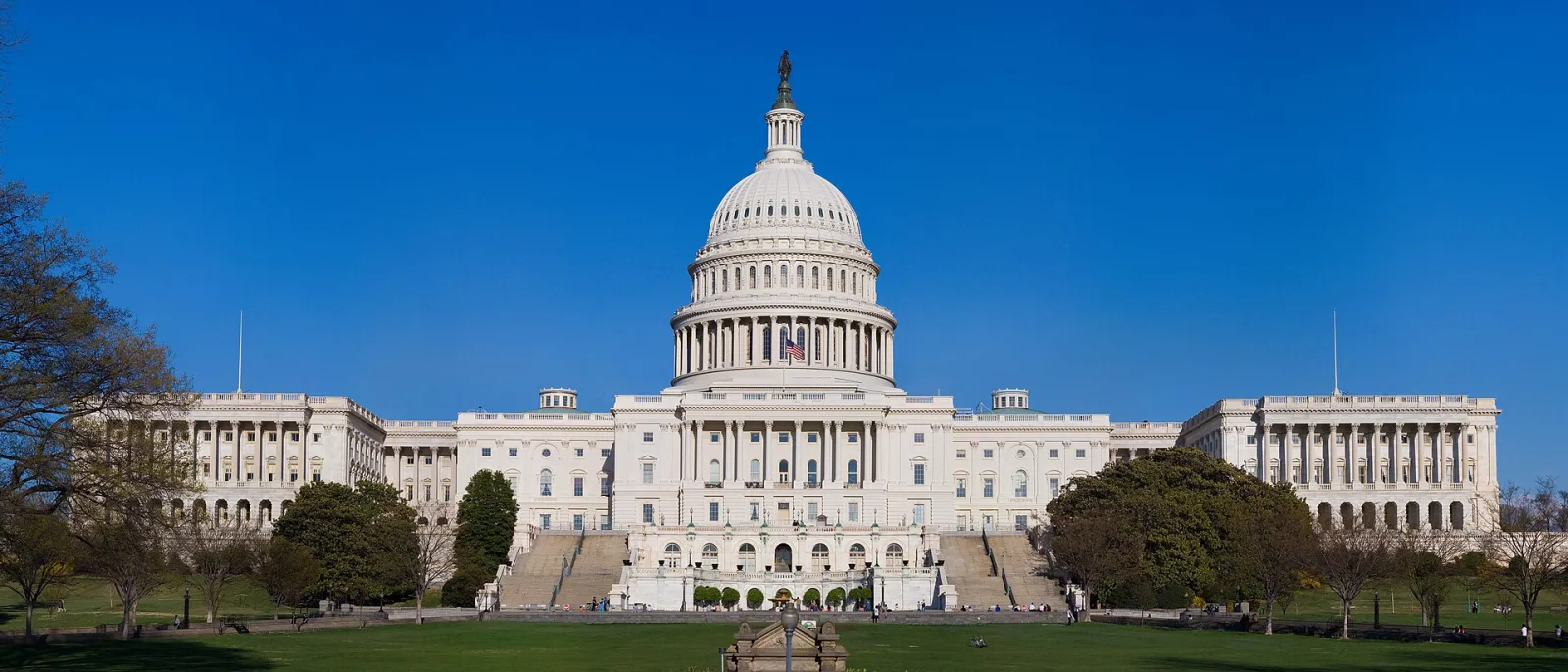
The House of Representatives has passed two competing veterans bills in a dispute over how to pay for a key retirement benefit for combat-injured veterans. The votes, held in the week of Veterans Day, pit a Republican-led package financed by future benefit cuts against a narrower Democratic-backed measure, the Major Richard Star Act. Both bills now face difficult prospects in the Senate.
Two bills, one funding fight
On Wednesday, Republican leaders moved quickly to pass the Take Care of America's Veterans Act, known as TCAVA, before Democrats could try to defeat it. The bill covers the retirement pay change along with a wide range of veterans programs. It is paid for by future cuts to disability benefits for sleep apnea and tinnitus, two conditions that often affect combat veterans.
On Thursday, the House passed the narrower measure by a vote of 392 to 18. Democrats forced that bill to the floor, and it omits the benefit cuts. All Democrats and 181 Republicans backed it.
Mark Takano, the ranking Democrat on the House Veterans' Affairs Committee, said the Republican bill was passed by voice vote with no recorded roll call. He described it as the largest cut to veterans' benefits in the nation's history. He said it would cut $57 billion from the disability benefits of future veterans and nearly triple the fee for the VA's streamlined refinancing program. Those figures are Takano's characterisation of the bill and have not been independently verified in the reports reviewed here.
What the Richard Star Act would do
The Major Richard Star Act would allow veterans who retired because of combat-related disabilities to receive their full retirement pay. Under current law, that pay is reduced dollar-for-dollar by their disability benefits. Veterans groups have long lobbied for the change, but lawmakers have repeatedly balked at its cost.
The Congressional Budget Office recently estimated the bill's cost at about $12.8 billion over a decade. Takano said Democrats were ready to pass the clean version of the Star Act and urged Republicans to bring it to the floor for a recorded vote.
Reactions and disputed tactics
Senator Jerry Moran, a Republican from Kansas and chairman of the Senate Veterans' Affairs Committee, said he supports the Republican-led package. Senator Richard Blumenthal of Connecticut, the senior Democrat on the committee, said he cannot back the proposed benefit cuts.
Politico reported that the surprise House passage of the veterans bill has drawn a "trickery" accusation. The reports reviewed did not detail who made the charge or its full context, so it should be read as a claim from that outlet's coverage.
What comes next
Both bills now move to the Senate, where each faces steep obstacles. Takano said the chances for TCAVA in the Senate are almost non-existent. Whether the retirement pay change is funded, and how, remains unresolved for now.
The dispute over the Richard Star Act's cost and the method of paying for it is likely to remain the central issue as the two measures are debated.
Note: This story is based on early reports and may be updated as the Senate takes up the bills.