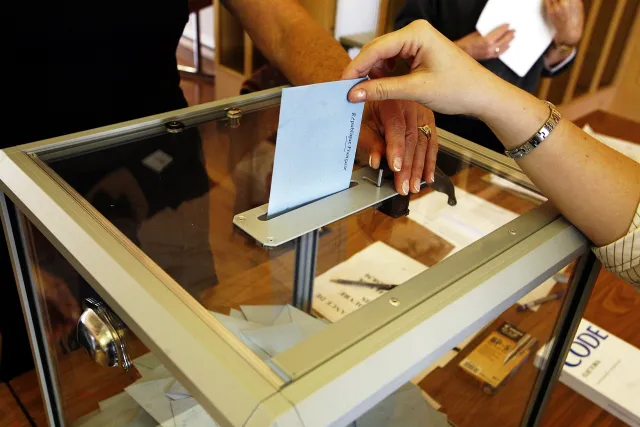
How to Vote in the US Midterms: Independents Could Tip Congress
Voters across the US head to the polls in the midterms, with independents emerging as a potentially decisive bloc. Here is what is known about voting and why unaffiliated voters matter.


Americans are preparing to vote in the US midterm elections on Tuesday, 3 November, and searches on how to vote have surged. Voters who identify as independent or unaffiliated with a major party could play a decisive role in deciding control of Congress and several state legislatures, according to Al Jazeera and The Philadelphia Citizen. Early voting is already under way in many states.
Who the independent voters are
Pew Research Center's annual National Public Opinion Reference Survey finds 44 percent of US adults identify as politically independent, compared with 29 percent who identify as Democrat and 28 percent as Republican. Gallup's 2025 figures, cited by The Philadelphia Citizen, showed a record 45 percent of Americans calling themselves independents.
Most self-described independents still lean toward one of the major parties. Those with no partisan leaning make up only about 7 to 10 percent of the electorate, but they are the group candidates target as persuadable swing voters.
In Pennsylvania, unaffiliated voters are the fastest-growing group, with about 1.2 million registered, according to the Philadelphia Inquirer. Roughly 78,000 residents registered without a party affiliation in the past year. The Inquirer also reports that the median unaffiliated voter in the state is 39 years old, younger than the median Democrat or Republican.
How the vote is decided
The US does not legally restrict elections to two parties, and many local officials are not affiliated with a party. However, for House and Senate races, the winner-take-all system and single-member districts make it hard for third-party or independent candidates to win, Al Jazeera reports. Voters also often avoid backing candidates they see as unlikely to win or who could split votes away from a major-party candidate.
Polling points to a tilt among independents this cycle. Marist suggests 52 percent of likely independent voters back Democrats and 39 percent back Republicans. Al Jazeera reports that independents are far more likely than partisan voters to say their vote is mainly against President Donald Trump.
Key races to watch
In Pennsylvania's 1st Congressional District, Republican Representative Brian Fitzpatrick and Democrat Bob Harvie, a county commissioner, are in a tight contest. An Inquirer/New York Times/Siena poll showed Harvie narrowly ahead of Fitzpatrick by 2 percentage points overall, while the two were tied among independents. The Inquirer estimates about 84,000 unaffiliated voters live in the district, or 14.6 percent of its electorate.
In Maine, former Republican Party chair Rick Bennett is running as an independent for governor. Al Jazeera notes that Nebraska's independent Senate candidate, Dan Osborn, has been identified by political scientist AJ Simmons as a leading independent who could win.
What comes next
Results will show whether independents translate their growing numbers into seats. Analysts say the longer-term test is whether independent candidates can build viability across multiple races and cycles. Voters who want to check their registration, polling place or voting options should consult their state election office before Election Day.
Money is also shaping the contest. Political advertising spending is projected to reach up to $11.6 billion, according to Al Jazeera, surpassing the $14.8 billion spent on federal elections in the 2024 cycle only if it reaches that level; figures for total spending in 2026 have not been confirmed.
Note: Results and final turnout figures had not been reported at the time of writing.