US and China identify products for possible tariff cuts under trade framework
The two governments listed about $30 billion in imports on each side for potential reduced tariffs. Implementing notices and effective dates are still needed.

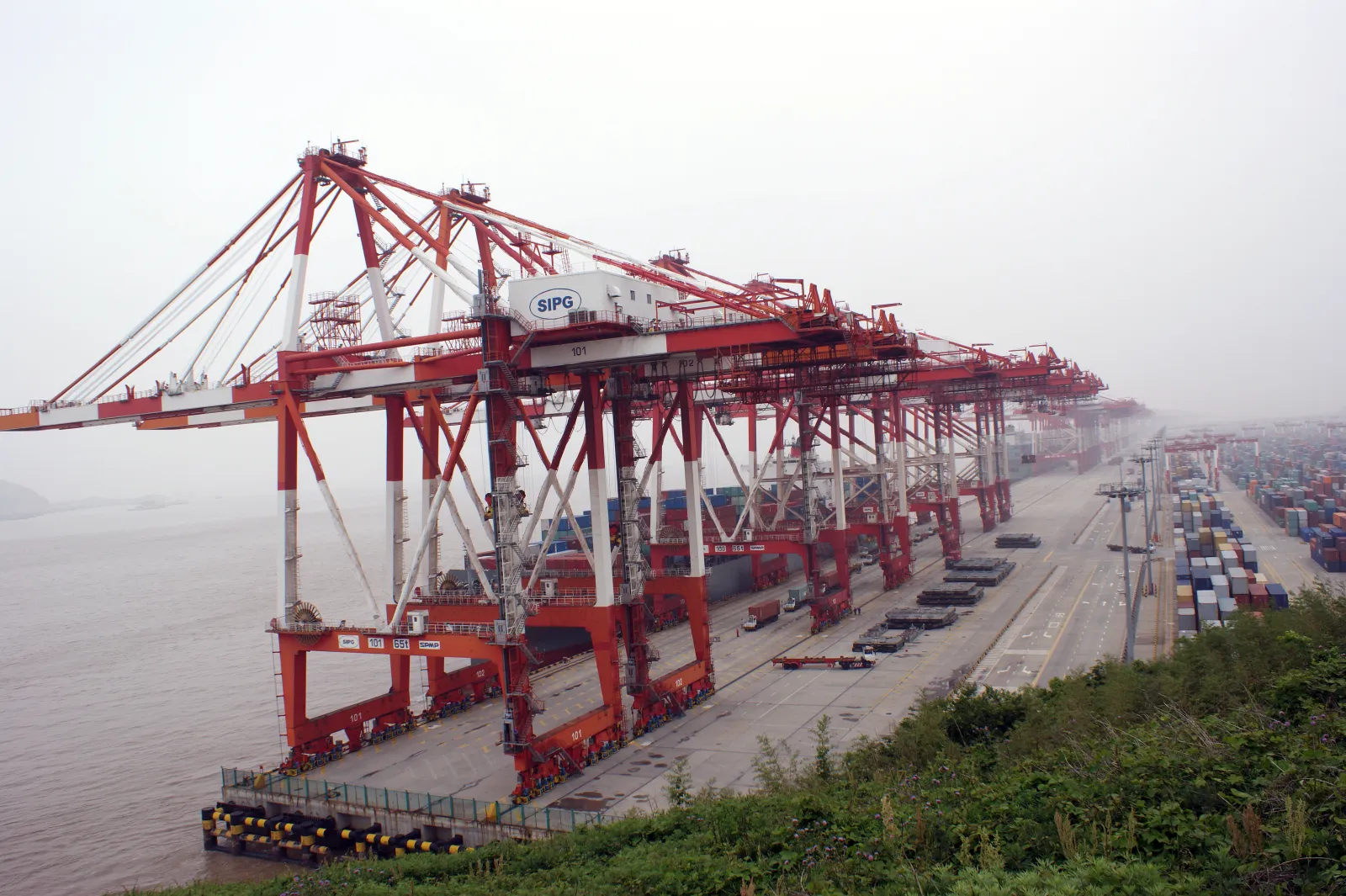
Key points: Washington and Beijing have identified products for possible reciprocal tariff reductions under a Board of Trade framework. The White House says each country will consider lower treatment through its own laws and processes. The lists do not establish that every proposed cut is already in force.
The United States and China have published lists covering about $30 billion in imports on each side for potentially lower tariffs, according to the White House release of 27 September. China's commerce ministry confirmed discussions on the framework the following day, as reported by the State Council on 28 September. The products span selected American agricultural and other goods and Chinese household goods, toys and related items.
What has actually changed?
The White House used prospective language: the governments will consider reciprocal reduced treatment under their respective domestic procedures. That is an important qualification for businesses. A list recommended for lower duties does not by itself change a customs entry, specify the effective date for every tariff line or settle how implementation will be monitored. Importers should check formal notices and the product classification that applies to their shipments before treating a lower rate as available.
Reuters reported on 28 September that the broader trade truce was extended, giving negotiators additional time. The scope and timing of the proposed concessions still depend on the countries' follow-through. The framework is therefore a diplomatic development and a possible commercial opportunity, rather than a completed removal of all duties between the world's two largest economies.
Why businesses will watch the details
Tariff rates affect sourcing, prices and contracts across supply chains. A narrow reduction on certain products could help affected importers and exporters while leaving many other duties and trade disputes untouched. The precise tariff schedules and any conditions attached to individual products will determine which firms benefit. For Indian readers, changes in US–China trade can also shift competition and sourcing decisions in regional markets, although the scale of any impact cannot be inferred from this announcement alone.
Analysis — what to watch: The next verifiable milestones are implementing notices from both governments, effective dates and the exact product codes. Until those are available, businesses should separate the announced consideration of lower tariffs from rates actually charged. Research cutoff: 29 September 2026, 01:00 IST.
Sources
- White House, 27 September 2026: https://www.whitehouse.gov/releases/2026/09/u-s-china-board-of-trade/
- China commerce ministry via State Council, 28 September 2026: https://english.www.gov.cn/news/202609/28/content_WS6aba53c5c6d00ca5f9a0d803.html
- Reuters, 28 September 2026: https://www.reuters.com/business/aerospace-defense/china-says-us-trade-truce-extension-creates-space-advance-talks-2026-09-28/
- Photo: Bruno Corpet/Quoique, CC BY-SA 3.0, 2013: https://commons.wikimedia.org/wiki/File:Shanghai-Yangshan-Port-Containers2013-01.JPG