Business Explainer
Morocco Inflation 2026: Consumer Prices Fall for a Second Month, So Why Do Bills Still Feel High?
Morocco's consumer prices fell 0.3% year on year in August, the second monthly decline in a row, according to the High Commission for Planning. Economists say this is slower price growth, not cheaper living, which is why many households still feel squeezed.
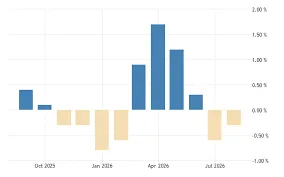
Morocco inflation 2026 has turned negative for two months in a row. Consumer prices fell 0.3% year on year in August, following a 0.6% decline in July, according to the High Commission for Planning (HCP). Yet many households say daily life has not become cheaper, and economists explain why.
What the August data shows
The drop was driven mainly by a 3.9% annual fall in food prices, which more than offset a 2.5% rise in non-food prices. Average inflation over the first eight months of the year remained positive at 0.3%. On a monthly basis, prices actually rose 0.8% between July and August. Core inflation, which excludes volatile and administered prices, rose just 0.1% year on year, which points to broadly flat prices rather than genuine deflation.
What happened in July
In July, consumer prices fell 0.6% from a year earlier, the first decline since February. Food prices dropped 3.7% year on year, while non-food prices rose 1.9%, with transport up 4.1%.
Why prices still feel high
Hespress spoke to economists who say Morocco is experiencing disinflation, not deflation. Lower inflation means prices are rising more slowly, not that they are falling back to earlier levels. Many wages and household incomes have not kept pace with the cumulative rise in prices over recent years, which leaves families with less disposable income even as price growth slows.
Not every household feels it the same way
The HCP data shows regional disparities. Urban and rural households are affected differently, and families in regions where food takes a larger share of spending feel price pressures more acutely. Rising living costs remain the country's biggest economic concern.
What to watch next
Bank Al-Maghrib expects average inflation of 1.5% in 2026 and 2.1% in 2027. The next HCP release will show whether September extends the decline, and whether food prices keep falling after the summer season.