Amanda Seyfried trends as 'You Can See Everything' arrives on streaming
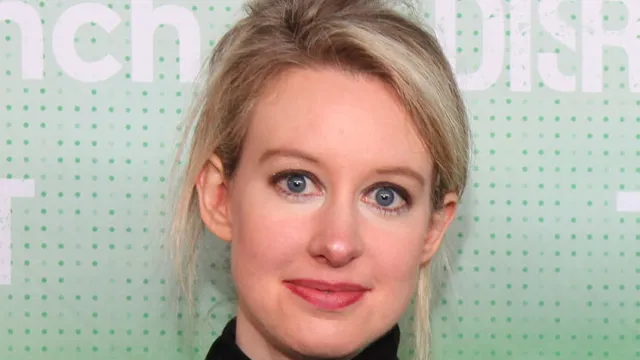
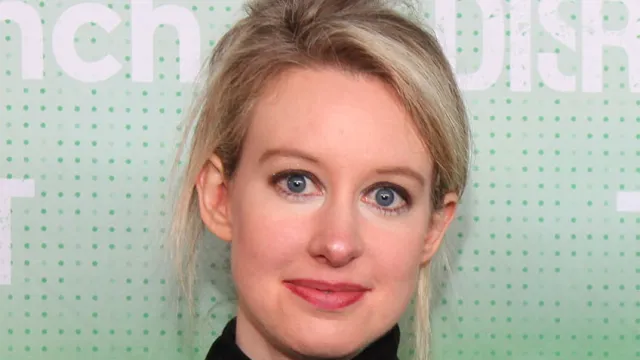
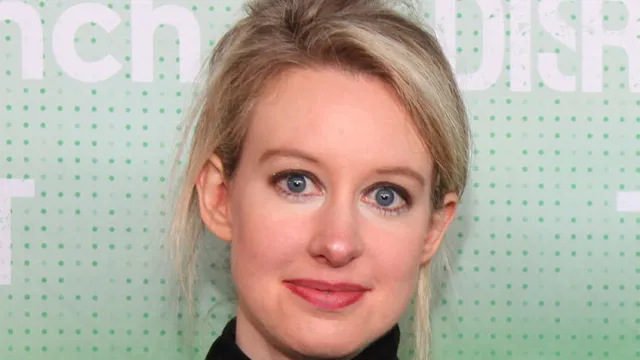
Searches for "Amanda Seyfried you can see everything" are rising as the Elizabeth Holmes documentary by Nathan Fielder and Lance Oppenheim reaches streaming.

Interest in the documentary You Can See Everything has grown online, with searches for "Amanda Seyfried you can see everything" running at about 2,000 or more globally. The film, directed by Nathan Fielder and Lance Oppenheim, centres on convicted fraudster Elizabeth Holmes, the former founder of the failed blood testing company Theranos. Forbes reported that the film has now arrived on streaming.
A portrait built on unusual access
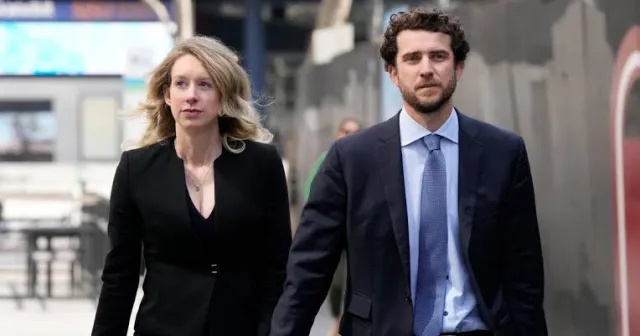
The documentary initially follows Holmes and her partner, Billy Evans, during the last 34 days before she began her prison sentence for defrauding investors. The filmmakers have been granted what appears to be wide access to the couple's home life. They say they want audiences to see the "real Liz", according to a review published by The Conversation.
The reviewer, who watched the three-hour film three times, described it as a layered work that mixes cinematography, editing, sound and reenactments. The Conversation argued that the film is less a departure than an evolution of the directors' earlier styles. Fielder's series The Rehearsal built simulated real-life settings to test difficult conversations, and the same blurring of real and staged material runs through this film.
Reality, reenactment and the question of what is shown
Oppenheim, who does not appear on camera in his features, uses saturated colour, dreamlike soundscapes and unexplained behaviour to portray the couple. The Guardian's critic Jason Okundaye questioned whether audiences can trust what Holmes presents, asking whether viewers can truly see everything in her eyes. The title itself is a claim Holmes makes in the film, and the documentary leaves that claim open to doubt.
The second half of the film is more fragmented. With Holmes in prison, the filmmakers rely on reenactments and reenactments within reenactments. One scene shows Evans working in a kitchen while a life-size AI-generated video of Holmes plays on a screen nearby. The Conversation described the moment as unsettling, and said Evans's controlling behaviour and his interest in conservative politics become more prominent in her absence.
Where critical opinion stands
Critical responses have been strongly positive, though they differ on how to read the film. The Conversation called it breathtaking cinema and said it leaves viewers questioning everything they see. The Guardian's review focused on the ambiguity of Holmes's self-presentation. Both pieces treat the film as a study of image, reputation and persuasion rather than a straightforward account of events.
What we know so far
The film is now available to stream, according to Forbes, which has published guidance on where to watch it. Detailed information about the platform and release terms is available from that report. The film's central tension, between the access it offers and the limits on what can be known about Holmes, remains the main point of discussion among critics and viewers.
Ask me anything else.