Dustin Hoffman Revisits Hollywood Past in Memoir 'Look at Me'
Dustin Hoffman's memoir "Look at Me," written with Ariel Levy, traces his childhood, his breakthrough in The Graduate and his strained relationship with his father, Harry.
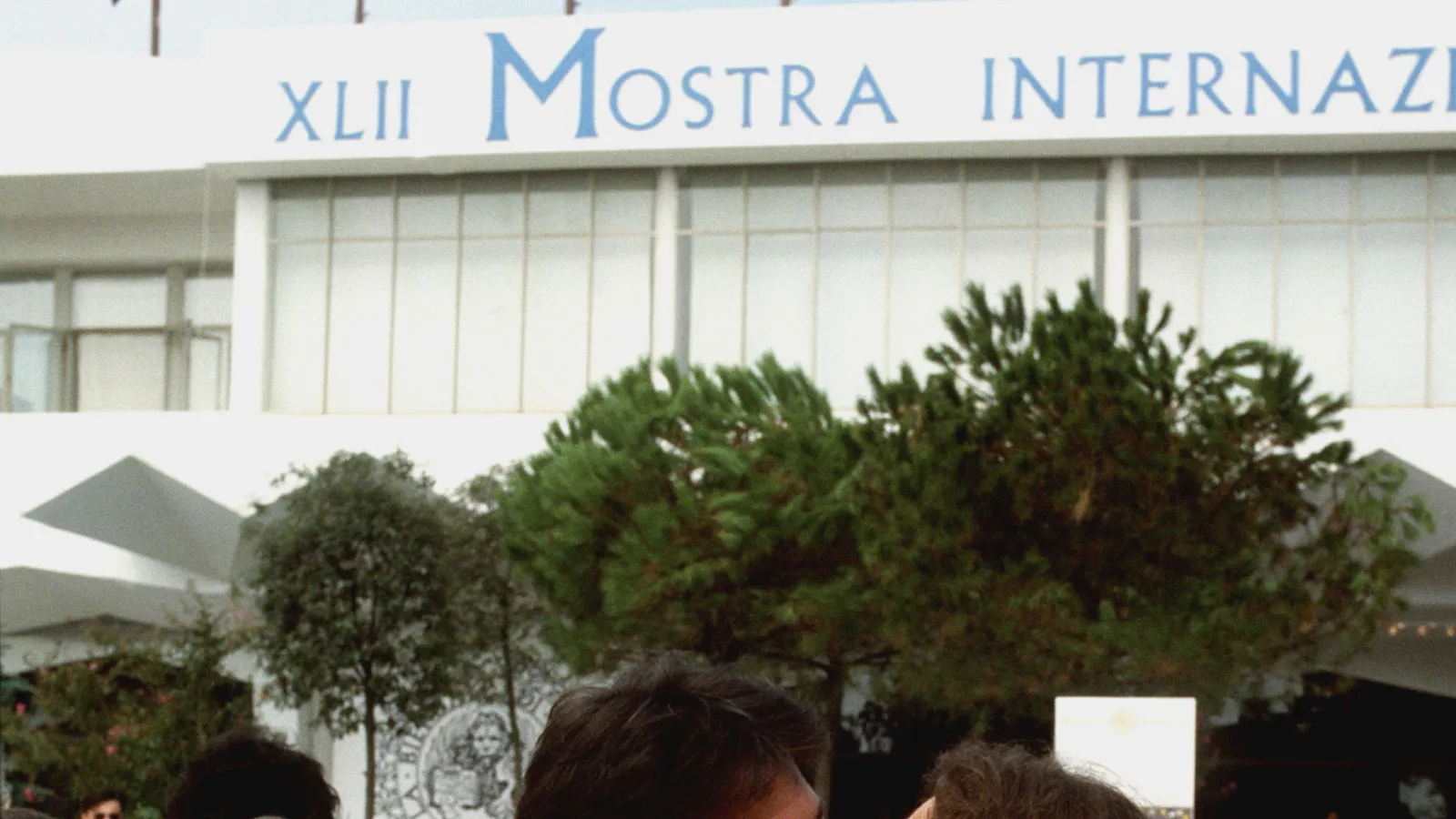
Dustin Hoffman, the actor whose performances include The Graduate, Midnight Cowboy and Rain Man, has published a memoir titled Look at Me, written with New Yorker staff writer Ariel Levy. Searches for "dustin hoffman" are trending globally as reviewers in the United States and Britain weigh in on the book's account of his early life, his rise in Hollywood and his family.
A childhood shaped by a demanding father
The New York Times reviewer described the book's opening chapters as centred on Hoffman's father, Harry, who had hoped to become a director. Harry worked his way to head of the prop department at Columbia Pictures before losing that job and later running a furniture business that went bankrupt.
Hoffman was born on 8 August 1937, the same day his father turned 30, and was named after the silent film actor Dustin Farnum. The reviewer said Harry was verbally threatening and exacting about hygiene, and noted that the memoir describes him as possibly having obsessive-compulsive disorder. Hoffman recalls being told to wash the flower beds in the front yard with his older brother, Ronny, because there was "clean dirt and dirty dirt" - a line the reviewer quoted from the book.
From Broadway to The Graduate
The Guardian's review said Hoffman moved to New York to work in theatre after taking acting classes in college, and spent time with young actors Gene Hackman and Robert Duvall. Director Mike Nichols cast him against type as Benjamin Braddock in The Graduate, a role that was not the leading-man image many expected.
Hoffman was 30 when the film was released, while his co-star Anne Bancroft was 36. The Guardian reviewer said the film's lighting and make-up reflected a sexist imbalance that Hoffman did not fully notice at the time. Hoffman has also said he was still financially strained after the film. According to People.com, he described himself as "still basically broke" after The Graduate and said he had to go on unemployment benefits.
Anecdotes and criticism
The Guardian review examined one well-known story from the making of Marathon Man, in which Laurence Olivier reportedly told Hoffman to "try acting" after Hoffman arrived on set looking exhausted. The reviewer wrote that Hoffman's own account differs from the popular version, saying he had been up partying the night before, and that the journalist who first printed the anecdote changed its meaning.
Reviewers were less impressed with the book's treatment of some later issues. The Guardian said the memoir says little about the #MeToo movement and that Hoffman seems largely unaware of contemporary debates over gender and casting in some of his roles, including the autistic character in Rain Man. The review praised the book's candour about his father but described its tone as sometimes self-unaware.
What we know so far
The memoir has drawn attention for its focus on the relationship between Hoffman and his father, and for its portrait of the early years of an actor who went on to win major awards for his work. Reviews so far come from The New York Times and The Guardian, and the reviewers differ in how they judge the book's self-reflection. Hoffman has not been quoted in these reports on the criticisms raised.