Retirement Rules: US Treasury Finalizes 401(k) Automatic Enrollment
The US Treasury and IRS have issued final rules requiring automatic enrollment in certain 401(k) and 403(b) retirement plans, with most changes applying from 2028.

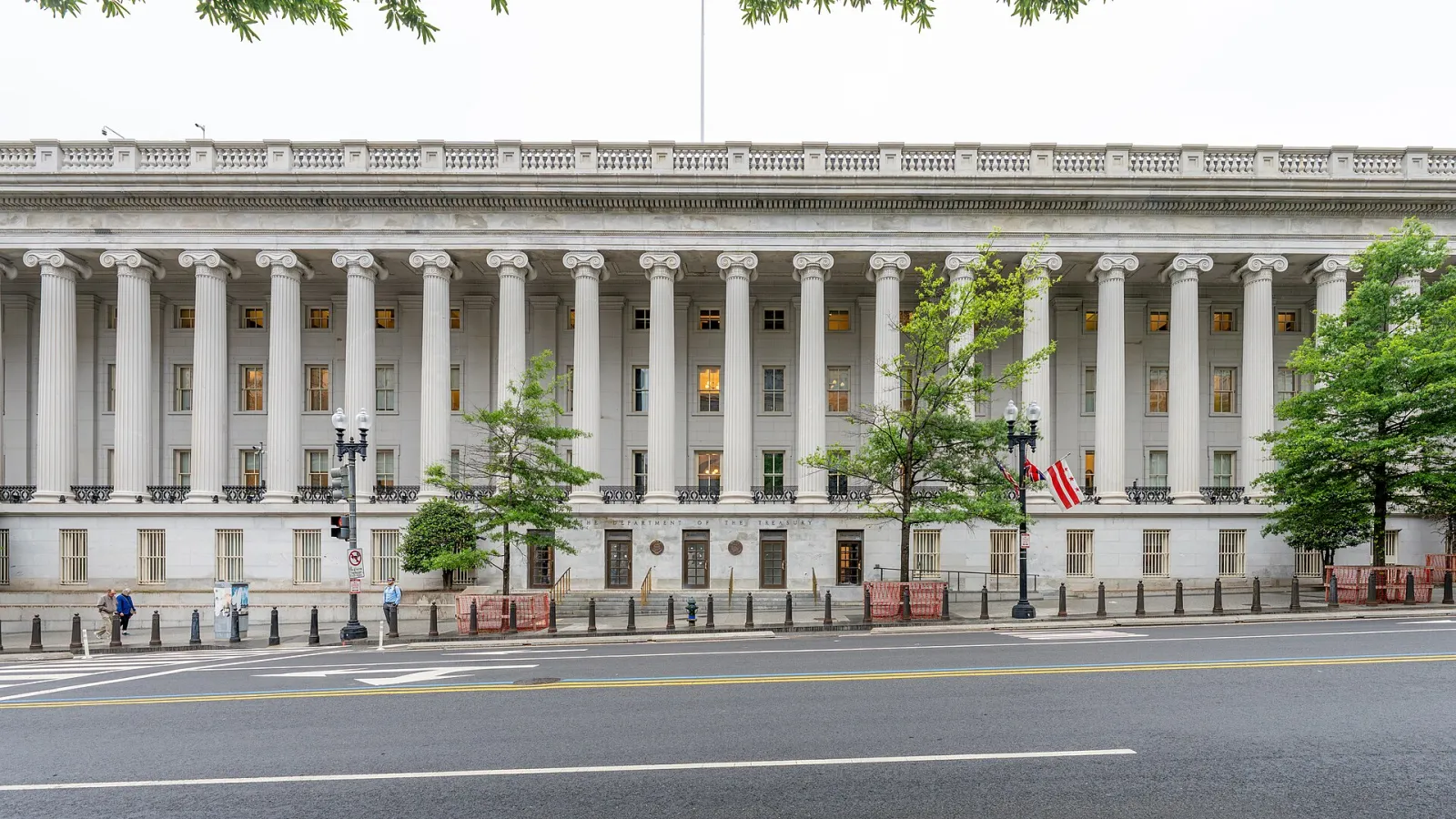
The US Treasury Department and the Internal Revenue Service have issued final regulations requiring automatic enrollment in certain workplace retirement plans, a move aimed at expanding retirement savings. The rules cover some 401(k) and 403(b) plans and implement a provision of the SECURE 2.0 Act, which was enacted in December 2022.
How automatic enrollment will work
Covered plans generally must automatically enroll eligible employees at a contribution rate of 3% of pay. After an initial participation period, the default rate must generally rise by at least one percentage point a year until it reaches at least 10%, subject to a 15% maximum.
Employees can opt out or choose a different contribution rate. The final regulations generally apply to retirement plan years beginning after December 31, 2027, which gives employers time to make administrative changes, Treasury said.
Exceptions and flexibility for employers
The regulations clarify statutory exceptions for qualifying small and new businesses, governmental plans, church plans and SIMPLE 401(k) plans. Employers also have more flexibility in the timing and amount of automatic contribution increases, within the limits set by the law.
The rules also allow certain required notices to be combined and reduce annual notice requirements for qualifying employees who are not participating. Those employees must still receive annual reminders and any plan documents they are entitled to request. The regulations further explain how automatic enrollment applies after plan mergers.
Savings impact and limits
Treasury estimates the automatic-enrollment expansion will increase retirement savings by an average of $4.2 billion a year over the 2023 to 2032 period. Separately, the 2027 contribution limit for 401(k) plans is rising to $25,500, up $1,000 from $24,500 in 2026.
Treasury Secretary Scott Bessent said in a statement that "a financially secure retirement is a cornerstone of the American Dream, and every worker deserves the opportunity to achieve it." He said the rules would help workers build savings while keeping them in control of their contributions.
IRS Chief Executive Frank Bisignano said the regulations would reduce the administrative burden on taxpayers making long-term financial decisions.
What we know so far
The final rules take effect for plan years starting after December 31, 2027, so employers have until then to adjust their systems. Workers in covered plans will be enrolled by default but can change their contribution rate or opt out at any time under the rules as described.
Reporting on the rules has come from Fox Business, Reuters and Accounting Today.