Nasdaq Composite Record Highs in 2026? What the Market Data Shows
Stocks have had a bumpy stretch since the US midterm elections, with a sharp one-day sell-off on 5 November. Analysts point to inflation, rate-hike risks and AI worries as the key pressures.


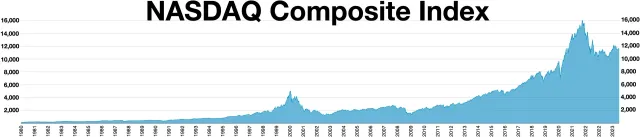
Interest in Nasdaq Composite record highs in 2026 has climbed as US stocks have struggled to regain momentum after the midterm elections. Market commentary published this week says the broader market has been volatile since early November, even as major indexes have bounced in recent sessions. The Nasdaq-100, a closely watched index of the largest non-financial companies on the exchange, was still about 9% below its all-time high, according to The Motley Fool, which cited figures from its own analysis.
A sharp sell-off after Election Day
The S&P 500 fell 4.4% on 5 November, its worst single-day loss since April 2025. The drop erased about $2.9 trillion in market value, the largest one-day decline in the index's history in dollar terms, according to the same report.
The market had initially moved higher the day after Election Day, but it has been largely lower and choppy since, the report said. Analysts cited concerns over artificial intelligence, the path of interest rates and inflation as the main reasons.
Inflation, rates and AI worries
Inflation was running at an annual rate of 3.7% in September, and analysts said it was unlikely to ease quickly while the conflict involving Iran continues. A resolution to that conflict would probably be welcomed by markets, the report said, though no sign of one was described as imminent.
Rate expectations are also weighing on stocks. Commentary cited a December rate increase as close to certain by some market watchers, and said Federal Reserve governor Christopher Waller had said he would consider backing a half-point hike next month. Equities have tended to react strongly to Fed policy, so analysts expect that pressure to persist.
Concerns about artificial intelligence are a third factor. Analysts expect AI to support strong earnings growth into 2027, but heavy capital spending by companies is no longer seen as an unambiguous positive. Some commentators expect an eventual slowdown in AI investment, and the report said a change in control of Congress could speed that process.
What the historical record suggests
According to LPL Research, cited by The Motley Fool, the S&P 500 has been higher one year after every US midterm election since 1950, a run of 19 instances with an average gain of roughly 15%. The same report noted that September has historically been the weakest month for the index, and that October and November have typically been stronger, with average returns of roughly 3% and 2.7% respectively.
This year has not followed that pattern. The report said the current mix of inflation, interest rates and AI concerns is outweighing the seasonal tendencies that usually support the market in this period. Historical patterns are not guarantees, and the report stressed that it is difficult to say whether the post-midterm trend will hold in 2026.
What we know so far
The Nasdaq Composite has not been reported to have reached a new record high in the material reviewed, and the Nasdaq-100 remained about 9% below its peak in the most recent figures cited. Analysts say upcoming corporate earnings over the next few quarters may be the main driver of the next move. For now, the outlook depends heavily on inflation data, Federal Reserve decisions and the trajectory of AI spending.
Note: Market figures are as reported by the cited analysis and may have changed since publication.